

Egyptians are a lot of things; we’re friendly, funny, often called lazy but one thing all Egyptians or anybody that has lived in Egypt can agree on is that Egyptian culture has a lot of embedded family traditions. Whether it’s birthdays, holidays or simply on a random Friday, Egyptians prioritise family gatherings as the most significant unit in society. Besides indulging in amazing food, family gatherings help foster exceptional character traits as well as socio-emotional skills to your child.

-
Create healthy eating habits

Is your child a fussy eater? By watching close family eating different kinds of food at meal-time, this can highly encourage your child to explore different tastes and textures too. You are your child’s most important model and they learn from you. Sitting together over meal times allows your child to learn to eat what their family eats. Research shows that when the family sits over a healthy meal, children are more likely to eat their vegetables than if they are eating alone. If table manners are important to you, family meal-time is also a great chance to lead by example good table manners.
-
Positive impact on child’s values and self-esteem

Family meals provide a sense of security and togetherness. This helps foster children into healthy, well-rounded adults. When conversations that usually goes around during meal-time are focused on each member of the family this allows them to fulfill their constant need of feeling significance and belonging. A decrease in high-risk behavior is heavily correlated to the amount of time spent with family, especially over family meals. Conversations over family meals also allow children to learn and practices vital social and emotional skills of listening, taking turns and better expressing themselves.
-
Learn to respect family, specifically elders
 Although respecting elders is common throughout the world, Egyptian culture normalizes visiting the elders of family regularly. Children exposed to their grandparents on a regular basis are taught early on to demonstrate compassion. The elderly often need assistance and gentle guidance and modeling such care towards children embeds core traits as kindness and empathy.
Here’s some tips to get the most benefits out of your family meal-time:
- Discuss your child’s day, events and feelings by expressing interest
- Encourage your child to contribute- don’t undervalue their ability to initiate a conversation.
- Turn off television, radio and keep mobile phones use to a minimal
- Have family lunches with your immediate 4-5 times a week
- Include healthy food on the table as much as possible to encourage a nutritious intake and healthy eating habits.

 Son: I don’t want to go to football practice today.
 Too often we forget that communication is not only through words but also through non-verbal cues as body language and posture. Here are a few points to consider during your next conversation to demonstrate attentiveness in what they are saying:


 Children have the capability to sponge information, knowledge and of course, behaviour. A parent I was recently speaking to mentioned, ‘My 3 year old daughter is also scared of dogs just like me.’ Instead, could it be that her daughter see’s her mom shiver, scream and frightened with the sight of a dog and so made the correlation that dogs are scary? When you’re having a bad day, your child can pick this up through your behaviour and reciprocate it. It’s not that children choose to ‘annoy’ you on ‘bad’ days, but rather they’ve been seeing you stress, loose temper and worry, resonating anxiousness in them.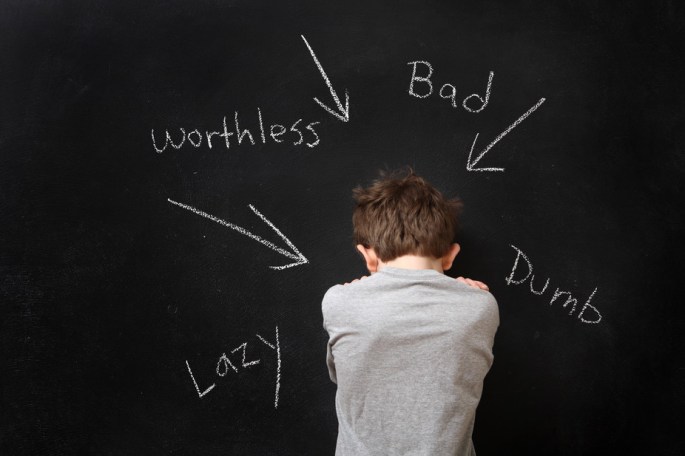

 kies, she knows that she isn’t allowed to eat her cookies before lunchtime and when confronted she mentions that she didn’t eat the cookies. Here, it is established that Sara knows right from wrong, or else she would not lie in the first place, however, the problem here is that once she DID do something wrong, she doesn’t know how to act accordingly, resorting her to lying. The key here is that as parents, it is critical to confront your child positively while teaching them the right tools to allow them to problem solve in future situations.
 amina diab