
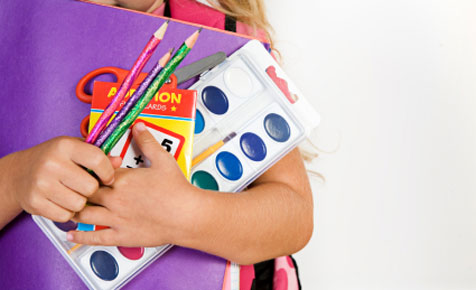
With schools just around the corner, several parents are becoming preoccupied with getting their kids ready for the new academic year. This includes buying uniforms, stationaries and of course the new school bag. While this routine excites children and is by all means necessary, parents fail to acknowledge the most critical form of preparation; the emotional one.

By emotional preparation I specifically mean mapping out what your child can expect from the new school year. This process is overlooked by many and instead, perceived that children will easily transition smoothly from one year to the next, when this is rarely the case. Once trouble starts, parents begin to question, what went wrong? Why is he acting out this year when he was great the year before? Why is she finding it difficult to make friends now? Why does he hate his new teacher so much?
 Children accustom themselves more easily in new situations and events when they know what to expect. Speaking to your child about what to anticipate prior to change allows them to feel more emotionally secure by providing them with stability through a perceived controlled environment. Better yet, if you have the ability to provide visual images before beginning a new school/ classroom / teacher, children are more likely to accept and encourage the change by familiarizing themselves with it once put in the situation.
The more detail you can provide the better for your child; down to the nitty-gritties. Here are a few suggestions on what to talk about before your new term begins:
- What should your child expect this year at school in academic and social terms. Outline what your child will be exploring in class this year, what new skills they will learn and which friends are continuing with them in class.

- “Why” questions are very important to be asked from your child and answered by you. Leave room for their questions and while answering as honestly as possible. Describe why their classroom is changing, why they will be meeting a new teacher this grade and why it will be expected of them to begin doing homework for example.
- How will your child be expected to behave this year that is different from the year before? What new responsibilities will she/he have? Are they expected to become more independent than the year before, if so how? How will their routine at home change too once school starts?
“Children accustom themselves more easily in new situations and events when they know what to expect”
If I had to pick the MOST important question to ask though it will have to be, ‘How can I help you this school year?’ This question really empowers children to feel belonging and significance within their family. By feeling valued, this encourages children to make more confident day-to-day decisions while ultimately, reciprocating the respect being given to them to those around them. Finally, always end your conversations by reminding your littles if they think of any more questions, any at all, you are right here to answer them.

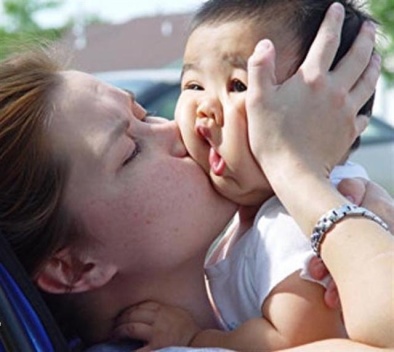
 When we force our children to surrender to undesired affection in order to show respect to the elderly of the family and not offend their feelings, we demonstrate that their bodies do not really belong to them. Instead, they have to always take into consideration how other’s might feel before listening to their own feelings. This instills a ‘people pleaser’ trait, which allows children to behave in certain ways with the justification of so ‘he’ll like me,’ or ‘so I can be accepted.’ By pushing their physical limits we teach them their body is to please someone else (usually in authority). So if you would like your children to grow into confident beings who can easily say ‘no’ or ‘stop’ in situations of stress, peer pressure or bulling, you need to begin cultivating this trait from now.
 This may come to a shock for most but what I have come to realise with experience is when parent’s loose their temper and choose to use their ‘strength’ to discipline their child (whether by shouting or using slight physical touch) almost 80% of them have reported that this is when they feel weakest and lack control. This says a lot about how loosing our temper really plays with our logical reason. The less you are in control of your reactions, the less you will be able to regulate and guide your child positively.
 Setting rules and boundaries is a necessity for children, however this does not contradict with achieving so with constant KINDNESS. It is a common misconception that in order to discipline, one must only be firm when communicating with the child. While firmness is essential, it is only beneficial to your parent-child relationship when coupled with kindness. Go down to eye level when speaking, calm your tone of voice whenever possible, express your understanding of their feelings, remind them they are loved are all examples of showing kindness that do not contradict with your firm guidelines e.g ‘(eye level) I know you feel sad because you want to play with your friends and I understand you wish you could stay longer, but it’s night and it’s time to sleep, I love you and know this is hard for you but we have to go now.’
 I left best for last, as I undoubtedly believe this is pivotal. A lot of the times parents come to me with the problem saying ‘my son/daughter KNOWS its wrong but still decides to go back and do it anyway.’ Sound familiar? Rest assured this is by no means simply because your children want to ‘annoy’ you but rather are seeking guidance from you. Children like to be told what to do rather what not to do. They like to hear ‘play with you brother gently’ rather than ‘don’t hit your brother’ or ‘walk slowly’ instead of ‘don’t run’ and ‘play in this room’ instead of ‘you are not allows to play here.’ What is the difference in approaches? You are providing salutations and guidance on what you want your child to actually be doing allowing them to form a clearer picture in their head of what is expected of them.
 amina diab